In this guide
Start with what the fight means
Phantom Blade Zero’s official PlayStation description connects cinematic kungfu, motion capture, and a world blending martial tradition with mechanical invention. S-GAME’s founder also describes Donnie Yen’s creative-consultant role in an August 2026 developer post. These sources establish the production’s martial-arts direction, not a score for how it feels to play.
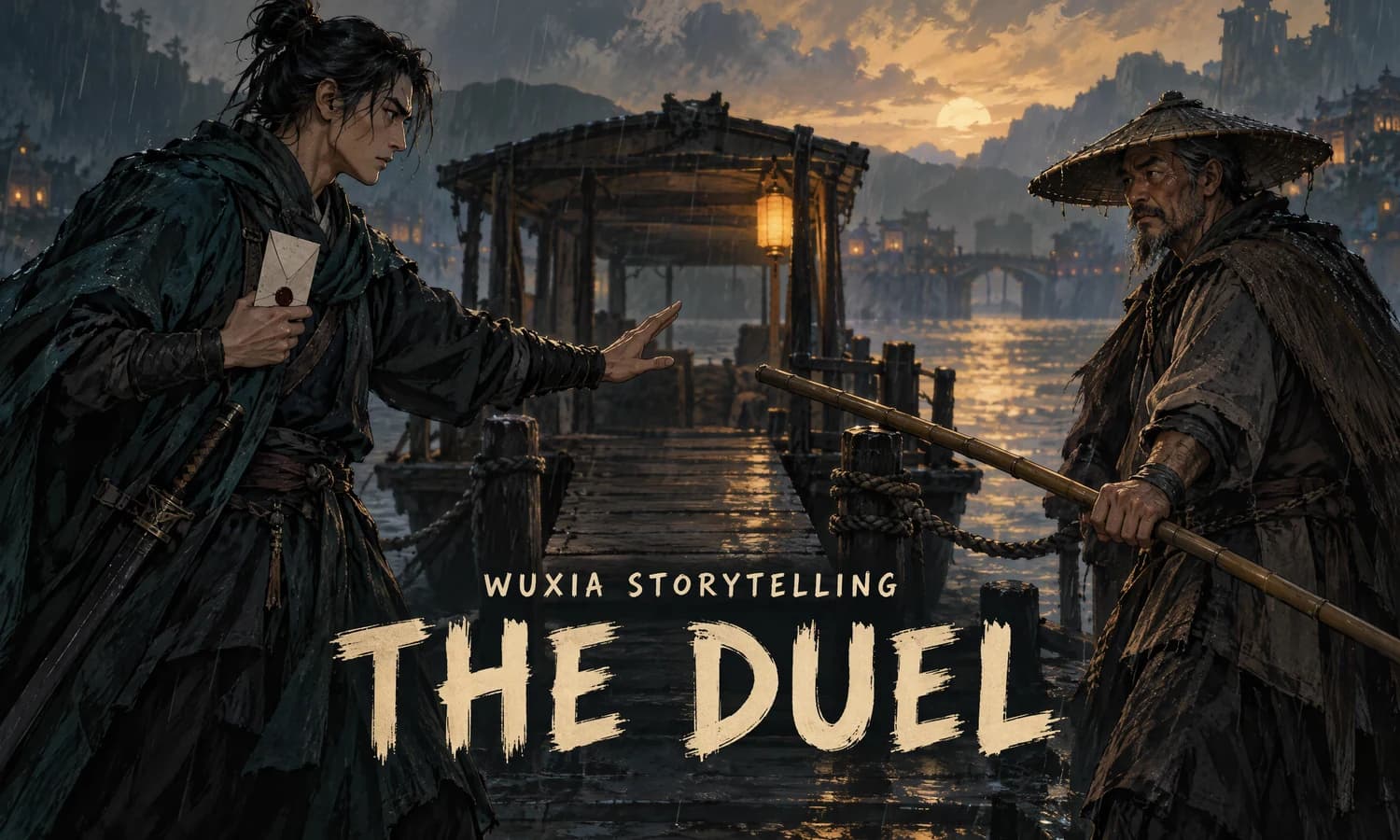
For a writer or game master, the useful question is why a character draws a weapon at this particular moment. In our original example, a ferryman bars a disgraced student from crossing with a sealed letter. The student needs passage; the ferryman needs the letter kept away from the capital.
Give the duel an objective beyond winning
Defeating everyone is a narrow objective. Protecting the letter, delaying a pursuer, or persuading a former teacher to listen creates more possible outcomes. Decide what each side wants before describing the first strike. A fighter who wants a document should behave differently from one defending a person.
At the ferry, the student can seek an opening to cross, offer to read the letter aloud, or agree to leave the weapon behind. A strong encounter lets those approaches change the situation. This is an original encounter-design exercise, rather than a description of a Phantom Blade Zero mission.
Make the surroundings part of the choice
Place a loose mooring rope, a narrow gangplank, and a lantern between the opponents. Establish those details before they matter. The student could move toward the boat, steady the plank, or draw the ferryman away from the letter. The environment now offers decisions instead of ornamental scenery.
Describe intent, obstacle, and consequence in that order: I step onto the gangplank to keep the ferryman between me and the pursuer, accepting that I have less room to retreat. The GM resolves that attempt under the chosen rules. Elegant narration should not silently grant extra movement or automatic success.
Let restraint reveal the character
A duel becomes personal when a successful action creates a difficult choice. The ferryman drops his weapon, but the letter begins sliding toward the water. Does the student secure the evidence or prevent the ferryman from falling? Both outcomes can move the story forward without predetermining the player’s answer.
Afterward, record what changed: the letter survived, a weapon was lost, or someone witnessed an act of mercy. A later encounter can refer to that fact. The dramatic payoff comes from a remembered decision, not from repeatedly calling every blow spectacular. Keep these consequences specific enough to revisit.
Try the ferry encounter as a text adventure
Use this premise: I am a former mountain-school student carrying a letter that could clear my teacher’s name. At the last ferry before the capital, an old ally refuses me passage. Begin before weapons are drawn; establish the river, the letter, and what the ally believes. Leave my actions to me.
You can adapt this original setup in Playworlds Custom World. Copy the premise during setup, then choose one immediate action. Text roleplay explores motives and consequences; it does not reproduce Phantom Blade Zero’s animation, controls, combat system, or official campaign.