In this guide
Start with a map the GM can actually read
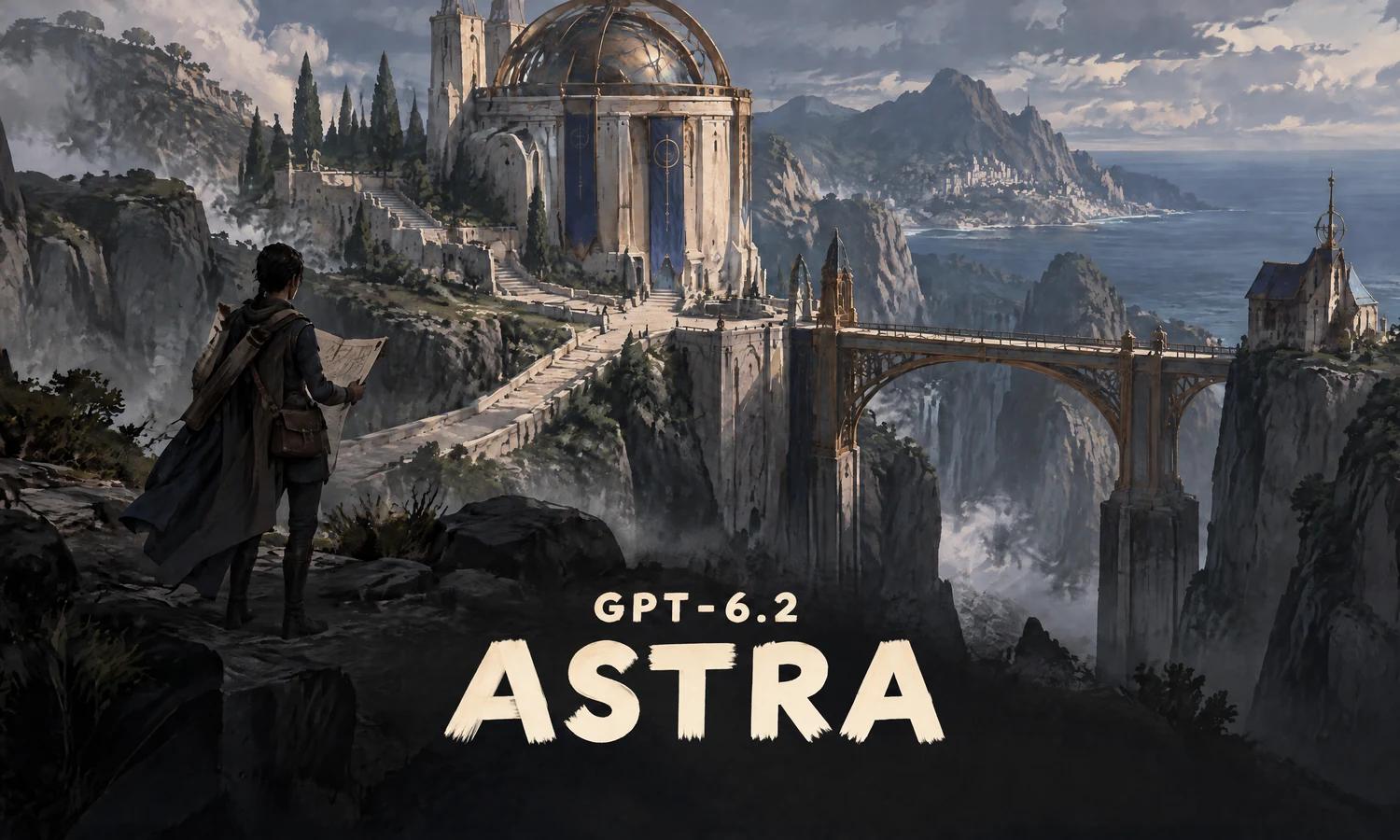
GPT-6.2 Astra accepts image input in the API and produces text. For a map-reading test, use a clear overhead image with a scale and legend rather than concept art. For the cliffside observatory shown in the cover, the illustration sets the mood; it is not the reference map for a movement ruling.
On your reference map, mark a stone path from the outer stair to a brass bridge, a separate tower roof, and a locked service gate. If two surfaces are drawn next to each other, that does not make them connected. Note whether the bridge is usable and which elevations are known. Supply movement rules separately if exact distances matter.
Require an observation before a ruling
Try this prompt: ‘List the start, destination, and visible connections. Mark each proposed route as open, blocked, or uncertain. Name the missing fact rather than inventing it. Give the player options without moving their character.’ Take the roof shortcut as the tricky example: until the gap and height difference are known, a jump is uncertain, not automatically safe or impossible.
Record the ground truth in text: outer stair to bridge approach, yes; approach to service gate, reachable but locked; bridge to roof, no drawn link. Use that table when checking the answer. If the image and table disagree, stop and correct the reference before playing on.
Check the update when a route changes
Use three versions of the same request: one with the bridge open, one after it is raised, and one with the roof label cropped out. A good response changes the bridge ruling but does not invent a roof ladder to keep the story going. For an uncertain drawing, ask one specific question about the missing feature.
These are proposed tests, not results or a map import feature announcement for Playworlds. Even without image input, you can use the route table as a scene note when building an observatory adventure.